
Understanding the Essential Roles and Responsibilities of a General Contractor in South Carolina

When you think about building a home or managing a construction project in South Carolina, the name that often comes up is the general contractor. But what exactly does a general contractor do? Their role goes far beyond just showing up on-site. They are the backbone of any construction project, ensuring everything runs smoothly from start to finish. This blog will break down the key responsibilities of a general contractor, including budgeting, scheduling, permits, subcontractor management, and quality control. If you’re considering construction management in SC, understanding these roles will help you make informed decisions.

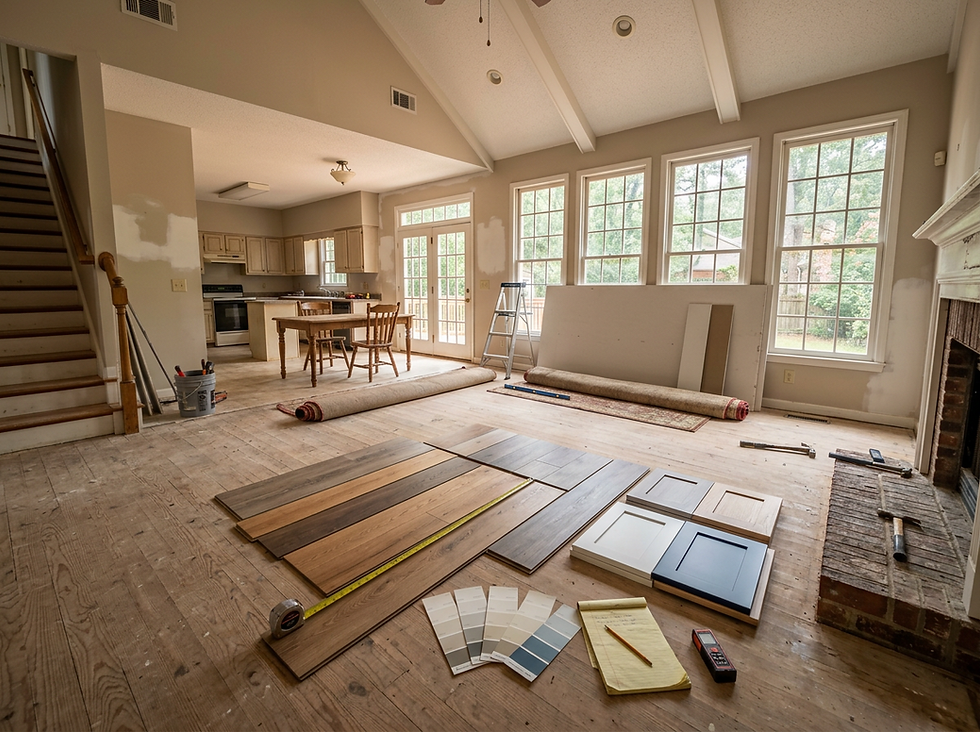
General contractor reviewing project plans on a South Carolina construction site
Managing the Project Budget
One of the most critical tasks a general contractor handles is budgeting. Construction projects often involve many moving parts, and costs can quickly spiral out of control without careful management. The general contractor works closely with clients and suppliers to develop a realistic budget that covers materials, labor, permits, and unexpected expenses.
For example, if a homeowner in Charleston wants to build a custom home, the general contractor will estimate costs for everything from foundation work to finishing touches. They will also monitor expenses throughout the project to avoid surprises. This ongoing budget management helps keep the project financially on track.
Creating and Maintaining the Project Schedule
Scheduling is another vital responsibility. A general contractor creates a detailed timeline that outlines when each phase of construction should start and finish. This schedule coordinates the work of various subcontractors, such as electricians, plumbers, and carpenters, to ensure the project progresses efficiently.
In South Carolina’s climate, timing can be crucial. For instance, exterior work like roofing or siding is best done during dry months. The general contractor adjusts the schedule to accommodate weather conditions and material availability, minimizing delays.
Handling Permits and Legal Requirements
Construction projects require numerous permits and inspections to comply with local laws and building codes. The general contractor takes charge of securing these permits, submitting necessary paperwork, and scheduling inspections.
In South Carolina, building codes can vary by county or city, so the general contractor’s knowledge of local regulations is essential. They ensure that all work meets safety standards and legal requirements, preventing costly fines or project shutdowns.
Coordinating and Managing Subcontractors
A general contractor does not usually perform all the work themselves. Instead, they hire and manage subcontractors who specialize in specific trades. This includes electricians, plumbers, HVAC technicians, painters, and more.
Effective subcontractor management means selecting reliable professionals, negotiating contracts, and overseeing their work to maintain quality and deadlines. For example, if a subcontractor falls behind schedule, the general contractor will adjust plans or bring in additional help to keep the project moving.
Ensuring Quality Control and Safety
Quality control is a continuous process throughout construction. The general contractor inspects work regularly to ensure it meets design specifications and industry standards. They address any issues immediately to avoid rework or safety hazards.
Safety is also a top priority. Construction sites can be dangerous, so the general contractor enforces safety protocols to protect workers and visitors. This includes providing proper equipment, training, and ensuring compliance with OSHA regulations.
Communication and Problem Solving
A general contractor acts as the central point of communication between clients, subcontractors, suppliers, and inspectors. They keep everyone informed about progress, changes, and challenges.
Construction projects often encounter unexpected problems, such as material delays or design changes. The general contractor’s experience allows them to find practical solutions quickly, minimizing disruptions.
Why Hiring a Local General Contractor Matters in South Carolina
Choosing a general contractor familiar with South Carolina’s construction environment offers several advantages. Local contractors understand regional building codes, climate considerations, and supplier networks. They can navigate permit processes more efficiently and anticipate challenges unique to the area.
For example, coastal areas in South Carolina require specific building techniques to withstand hurricanes and flooding. A local general contractor will incorporate these requirements into the project plan.
If you are planning a construction project in South Carolina, partnering with a skilled general contractor is essential. They bring expertise in budgeting, scheduling, permits, subcontractor management, and quality control to ensure your project succeeds.
American Craftsmen Homes offers trusted construction management in SC with a commitment to quality and customer satisfaction. Contact them today to discuss your next project and experience the difference a professional general contractor can make.
This content is for informational purposes only and does not constitute legal or professional advice.



Comments