
Moving South? What Northern Homebuyers Need to Know About Building in South Carolina

We can usually tell within the first few conversations when a family is relocating from the North. They ask thoughtful questions about insulation, basements, snow loads, mudrooms, heating systems, and whether a screened porch really gets used as much as people say it does.
The short answer is yes, it does.
At American Craftsmen Homes, we have been meeting more and more of our Northern brothers and sisters who are moving to South Carolina for sunshine, space, family, retirement, tax reasons, lake life, or simply a slower pace. Many are not just buying an existing house. They are building a home in South Carolina that fits the next chapter of their lives.
That can be exciting, but it also comes with a learning curve. South Carolina home construction is not better or worse than what you may know from up North. It is simply shaped by a different climate, different land, different codes, and a different way of living.
Here is what Northern homebuyers in South Carolina should know before building, renovating, or choosing a custom home builder South Carolina residents trust.

South Carolina Homes Are Designed Around Heat, Humidity, and Outdoor Living
Many Northern homes are designed to hold heat, shed snow, and create comfortable indoor spaces during long winters. In South Carolina, we think just as carefully about comfort, but the focus shifts.
Here, a good home needs to handle:
Long warm seasons
High humidity
Heavy rain at times
Strong sun exposure
Mild winters
More time spent outdoors
That changes how a home is designed, built, and lived in.
Screened porches are not just an add-on
For many people relocating to South Carolina, the screened porch becomes one of the most-used rooms in the house. It is where coffee happens in the morning, where neighbors stop by, where grandkids eat popsicles, and where dinner can stretch into the evening without mosquitoes taking over.
A screened porch works best when it is planned early, not tacked on later. We look at sun orientation, rooflines, airflow, privacy, access from the kitchen or living room, and how the porch connects to patios, decks, yards, or lakefront areas.
Covered outdoor spaces also matter. A covered patio or outdoor kitchen can give shade during the hottest part of the day and protection during those quick summer showers that roll through and disappear just as fast.
Floor plans often feel more open and casual
Many custom homes SC buyers request are open, practical, and connected to the outdoors. That does not mean every wall disappears. It means the kitchen, dining area, living room, and outdoor spaces often work together.
For someone coming from a colder climate, this can feel like a shift. In the North, homes often have more enclosed rooms to help with heating and create cosy winter spaces. In South Carolina, we often design for flow, natural light, and easy movement between inside and outside.
Popular requests include:
Larger kitchens with casual seating
Main-level primary suites
Guest rooms for visiting family
Drop zones near garage entries
Walk-in pantries
Large windows with thoughtful shading
Porches, patios, and outdoor fireplaces
The goal is not to erase what you loved about your Northern home. It is to adapt those preferences to a warmer climate and a Southern lifestyle.
Heating and Cooling Priorities Are Different in the South
One of the biggest surprises for Northern homebuyers is how much we talk about cooling and moisture control.
Up North, heating systems often take centre stage. In South Carolina, the air conditioning system has to work hard, and it has to manage humidity as much as temperature. A home can be technically cool and still feel uncomfortable if moisture is not handled well.
HVAC choices should match the climate
In many South Carolina homes, heat pumps are common because winters are generally mild compared with Northern states. Some homeowners still prefer gas heat or dual-fuel systems, especially if they are used to the feel of warm forced air.
The right choice depends on the home, the lot, the owner’s preferences, and local utility availability. This is where a local builder and HVAC professional can help you make a grounded decision instead of simply copying what worked in New Jersey, Ohio, Pennsylvania, New York, or Massachusetts.
Insulation still matters
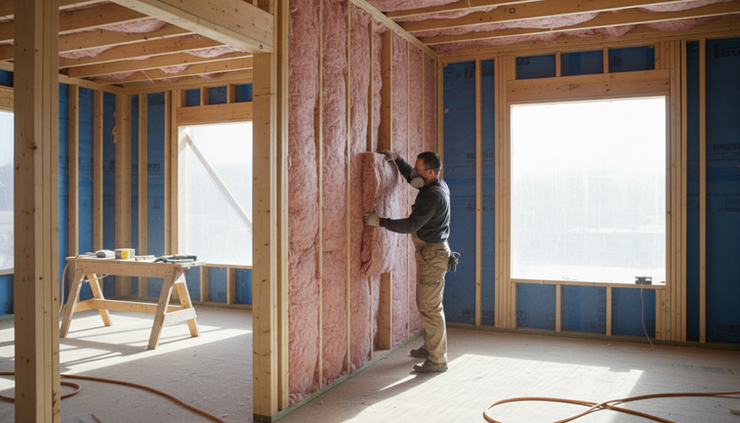
Some newcomers assume insulation is less important in a warm climate. That is not true. Insulation, air sealing, window selection, attic ventilation, and proper moisture control all affect comfort and energy use.
A well-built South Carolina home should be designed to keep conditioned air in, reduce heat gain, and prevent moisture problems. That includes smart details in crawl spaces, attics, wall assemblies, and around doors and windows.
The best homes in South Carolina are not just cooled well. They are built to stay comfortable through heat, humidity, rain, and seasonal changes.
Construction Methods May Look Different Than What You Know
When our Northern brothers and sisters start talking with us, one topic comes up again and again: basements.
In many Northern states, basements are common. They add storage, mechanical space, storm shelter, workshops, and finished living areas. In many parts of South Carolina, basements are less common because of soil conditions, water tables, grading, and cost. They are possible on some lots, especially with the right slope, but they are not the default.
Crawl spaces and slab foundations are common
Depending on the property, many South Carolina homes are built on crawl spaces or slabs. Each option has its place.
A crawl space can provide access to plumbing, wiring, and mechanical systems. It must be detailed properly for moisture control, ventilation or encapsulation, drainage, and pest prevention.
A slab can be efficient and practical, especially on flatter lots. It also requires careful planning because plumbing and certain mechanical decisions need to be worked out early.
Neither approach is automatically right or wrong. The lot, elevation, drainage, budget, and design all matter.
Roofs, siding, and materials respond to Southern weather
South Carolina homes need to handle sun, wind, humidity, and heavy rain. That affects material choices.
A local builder will think through details such as:
Roof pitch and drainage
Overhangs that shade windows and protect walls
Durable siding materials
Proper flashing around openings
Termite protection
Foundation drainage
Ventilation in attics and enclosed areas
These are not glamorous details, but they make a major difference over time. A beautiful home still needs to be built for the place where it stands.
Your Lot Will Shape the Home More Than You Might Expect
Many people moving to South Carolina are drawn to land. They want more room than they had in the suburbs up North, maybe a larger yard, a wooded homesite, acreage, or lake living.
That extra space is one of the great joys of building here, but the lot needs careful study before design goes too far.
Land in South Carolina can vary widely
Two properties in the same general area can build very differently. One may be flat and simple. Another may have drainage challenges, slope, trees worth saving, access issues, or soil conditions that affect the foundation.
Before designing a custom home, we look at practical questions:
Where should the home sit on the land?
How does water move across the property?
What views should the house capture?
Which trees should stay?
Where will the driveway go?
Is there room for a pool, detached garage, workshop, or future addition?
What utilities are available?
Will the property need a septic system or well?
Lot planning is especially important for lakefront homes. Setbacks, shoreline rules, access, grading, outdoor living areas, and views all need to work together.
Bigger yards bring new possibilities
For many Northern buyers, the idea of a larger yard is a major part of relocating to South Carolina. It opens the door to gardens, outdoor kitchens, fire pits, pools, guest parking, play areas, boat storage, and detached garages.
The key is to plan beyond the house footprint. A home should feel settled on the property. When we design with the land, the driveway, porch, garage, yard, and outdoor living areas feel natural instead of forced.

Permitting and Timelines Can Feel Different From State to State
Every state has its own process, and every county or municipality can have its own requirements. If you are relocating to South Carolina, do not assume permitting works exactly like it did where you came from.
That is true whether you are building a new home, renovating an existing one, adding a porch, finishing space, or making structural changes.
Local rules affect the schedule
Permitting can involve zoning review, building code review, septic approvals, stormwater considerations, architectural review boards, utility coordination, driveway permits, and inspections. Some areas move faster than others. Some properties need more preparation before construction can begin.
A realistic timeline should include:
Design decisions
Site evaluation
Engineering when needed
Permit review
Material selections
Site work
Foundation
Framing
Mechanical systems
Inspections
Finishes
Final approvals
The building process is not only the visible work on site. Good planning before construction helps avoid delays once crews are moving.
Selection decisions can affect the calendar
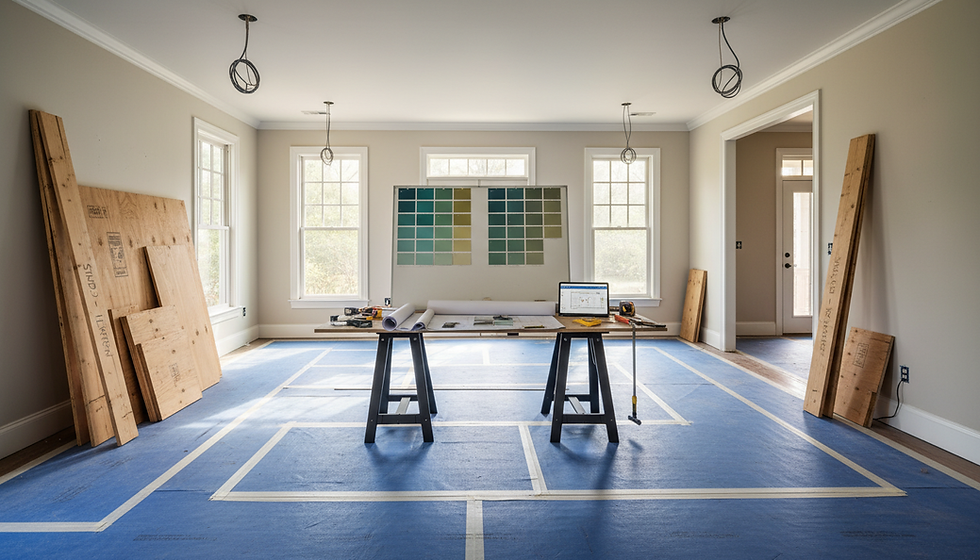
Many homeowners are surprised by how early some decisions need to be made. Windows, doors, roofing, cabinets, appliances, flooring, plumbing fixtures, lighting, and tile can all affect the schedule.
If you are moving from out of state, it helps to make selections in an organised way. Some clients travel in for design meetings. Others handle many decisions remotely, then visit at key stages. Either path can work if the builder communicates clearly and keeps the decision process moving.
Renovating a South Carolina Home Also Requires Local Knowledge
Not everyone coming South builds from scratch. Some buy an existing home in a great location and plan to renovate. That can be a smart path, especially if the property has mature trees, lake access, or a neighbourhood you love.
Still, renovating here has its own considerations.
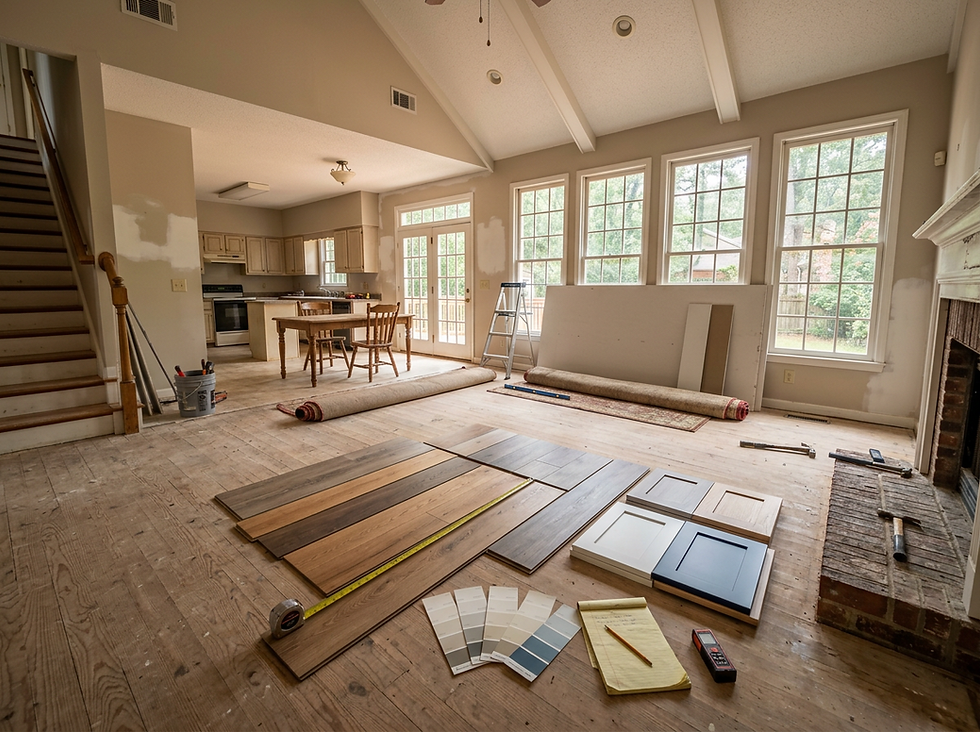
Older South Carolina homes may need updates related to moisture control, foundation conditions, roofing, HVAC, windows, electrical systems, or layout changes. A renovation may also involve bringing parts of the home up to current code when major work is done.
If the goal is to bring Northern preferences into a Southern home, planning matters. For example, you might want:
A larger mudroom or coat storage area
A dedicated home office
A finished room over the garage
A bigger kitchen with better pantry space
More storage than the original home provides
Updated windows and doors
A screened porch or covered outdoor room
A good renovation respects the existing structure while making the home work for the way you plan to live now.
Southern Lifestyle Changes the Way a Home Functions
One of the best parts of moving to South Carolina is that the home often becomes more connected to daily life outside. People grill more. They sit outside more. They host family more casually. They use yards, porches, lakes, pools, and patios for more months of the year.
That lifestyle affects design.
Storage needs may change
You may not need the same snow blower space, heavy coat closet, or winter gear storage you had up North. Instead, you may need room for:
Golf clubs
Fishing gear
Pool supplies
Garden tools
Boating equipment
Outdoor cushions
Bicycles
Beach chairs
Grilling accessories
Garages, utility rooms, and outdoor storage should be planned around the life you are moving toward, not just the one you are leaving.
Guest space often matters
Many people relocating to South Carolina discover that friends and family like to visit. A well-planned guest room, bunk room, bonus room, or detached guest space can make those visits easier.
This is especially common for lake homes and retirement homes. A house may live quietly most of the week, then fill up during holidays, summer visits, or long weekends.
A Local Builder Should Listen First and Guide Second
The best builder for someone moving South is not the one who says, “That is not how we do it here,” every time a Northern idea comes up.
At the same time, a good local builder should not simply copy a Northern home plan and drop it onto South Carolina soil without adjustment.
The right balance is listening and guiding.
You may love the trim details from your previous home, the kitchen layout you raised your family in, the built-ins from your old living room, or the solid feel of homes in your former neighbourhood. Those details matter. They are part of your story.
A local builder’s job is to understand those preferences, then help translate them into a home that works here. That might mean adjusting rooflines for shade and drainage, changing foundation plans for the lot, adding a screened porch, planning HVAC for humidity, or choosing materials that hold up well in the Southern climate.
When that partnership works, the finished home does not feel like a compromise. It feels familiar in the right ways and fresh in the ways you hoped for.

Questions to Ask Before Building in South Carolina
Before choosing a builder or finalising plans, ask practical questions that reveal how well the team understands local conditions.
Good questions include:
How will this home handle humidity and moisture?
What foundation type makes the most sense for this lot?
How should we orient the home for shade, views, and outdoor living?
What outdoor spaces will we actually use in this climate?
How do local permitting steps affect our timeline?
Which materials hold up well in this part of South Carolina?
How will the HVAC system manage both cooling and humidity?
What design elements from our previous home can we bring into this one?
The answers do not need to be flashy. They need to be specific, practical, and based on real building experience.
Welcome Home to South Carolina
Moving to South Carolina is a big step, whether you are coming from a busy metro area, a small Northern town, or somewhere you have called home for decades. Building or renovating here gives you the chance to create a home that fits the climate, the land, and the lifestyle you came here to enjoy.
At American Craftsmen Homes, we are grateful for the Northern brothers and sisters who trust us with that transition. We understand South Carolina construction, but we also know your new home should still feel like yours. The best results come from combining local building knowledge with the details, expectations, and comforts you want to bring with you.
If you are relocating to South Carolina and thinking about building, renovating, or planning a custom home, we would be glad to talk through your ideas. Contact American Craftsmen Homes, and let’s start shaping a home that welcomes you South in the right way.


Comments